Navigating New Mexico’s Off-Grid Property Regulations


Understanding Off-Grid Living in New Mexico
New Mexico, with its vast landscapes and abundant sunshine, is an attractive option for those looking to embrace off-grid living. However, before diving into this lifestyle, it's essential to understand the state's regulations surrounding off-grid properties. These rules ensure the safety and sustainability of your off-grid home while respecting the environment and local communities.

Regulations for Water and Waste Management
One of the primary considerations for off-grid living in New Mexico is water supply and waste management. The state requires homeowners to have a sustainable plan for sourcing water, whether through rainwater harvesting, wells, or cisterns. Additionally, proper waste management systems, such as composting toilets or septic systems, must be implemented to prevent contamination and adhere to health standards.
It's crucial to consult with local authorities to ensure your systems meet all necessary regulations and are environmentally friendly. This ensures you are compliant and contributes to the conservation of New Mexico's precious resources.
Energy Sources and Building Codes
Another essential aspect of off-grid living is energy independence. New Mexico's sunny climate makes solar power a popular choice for many off-grid dwellers. However, you'll need to ensure that your solar installations comply with state building codes and safety standards. Wind and other renewable energy sources are also viable options, but these too must adhere to relevant regulations.
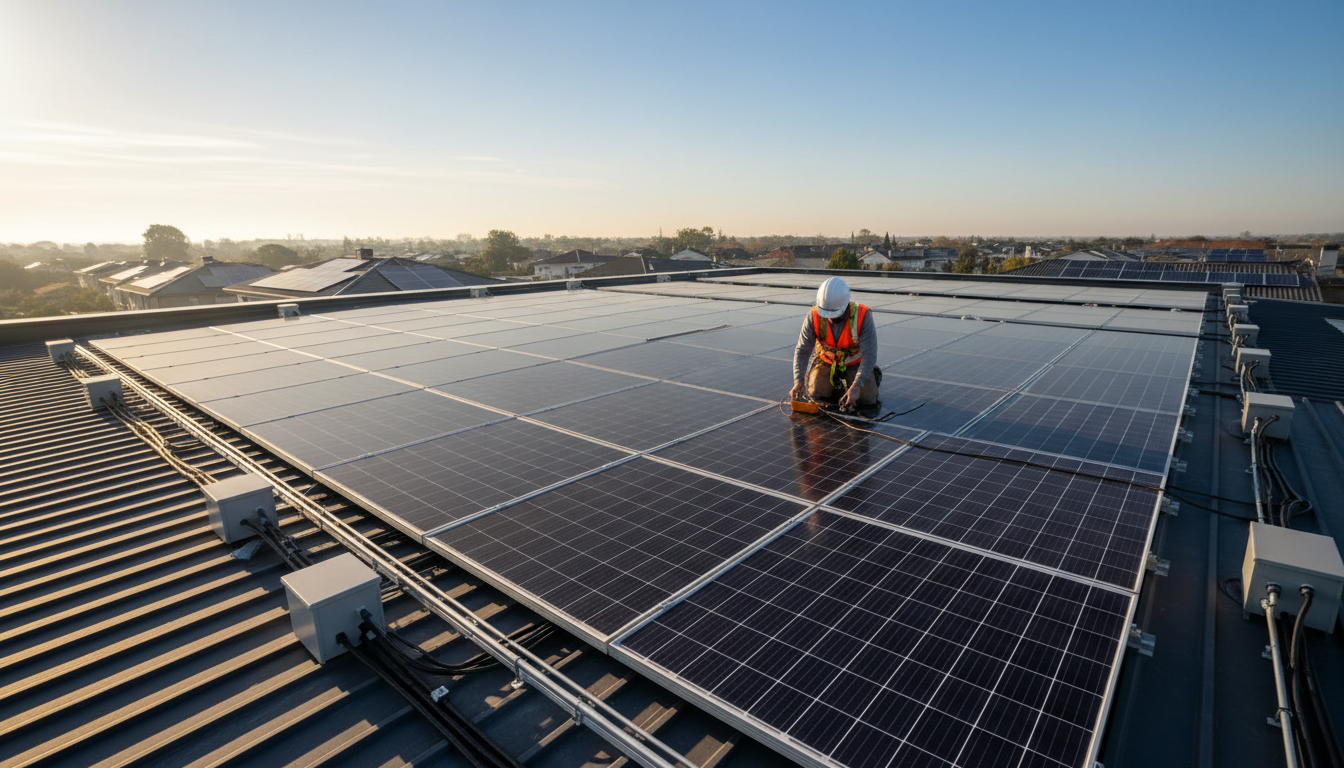
When constructing or modifying your off-grid home, familiarizing yourself with local building codes is vital. These codes cover everything from structural integrity to fire safety, ensuring that your home is safe and habitable.
Land Use and Zoning Laws
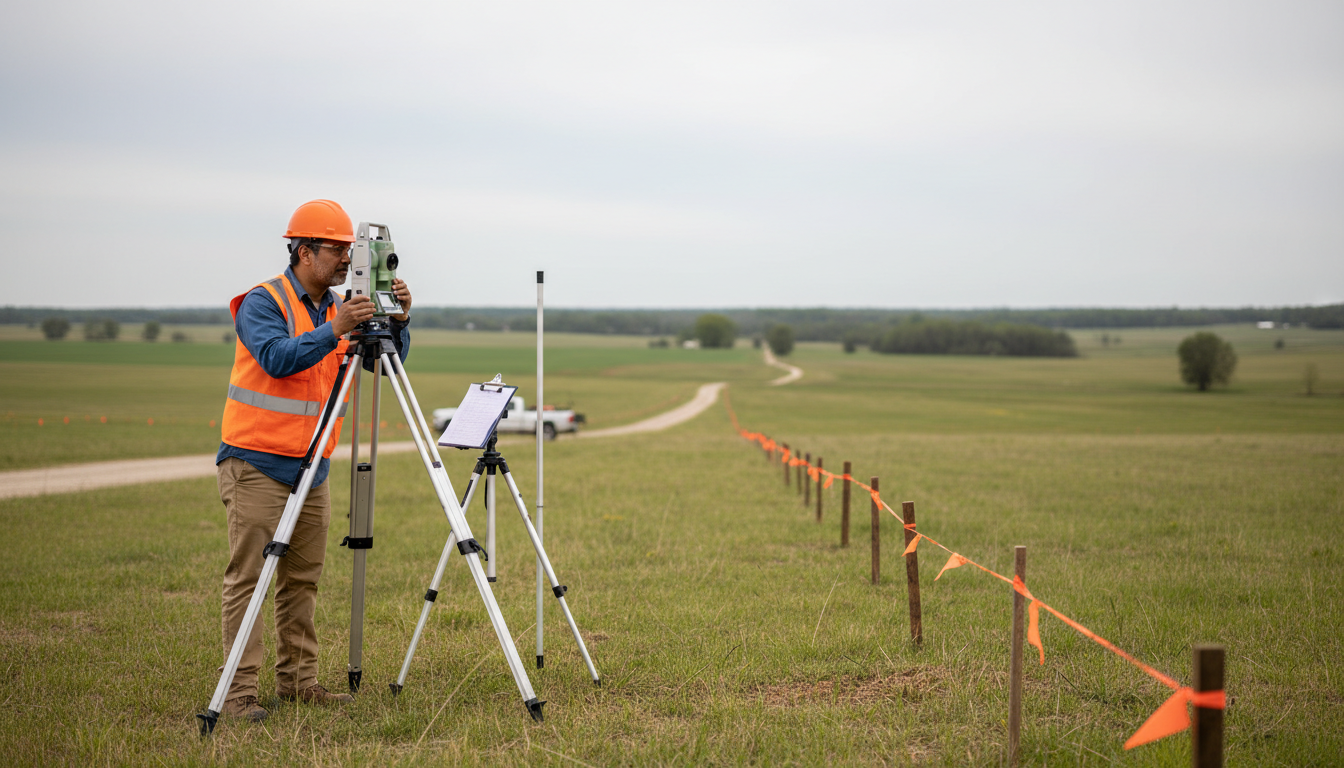
Before purchasing land for your off-grid home, it's important to understand New Mexico's land use and zoning laws. These laws dictate what you can do with your property and may vary significantly from one county to another. Zoning laws can affect the size and type of structures you can build, as well as your ability to use the land for agricultural or commercial purposes.
Consulting with local planning departments can provide valuable insights into any restrictions or special permits you might need. This step helps avoid potential legal issues and ensures your off-grid lifestyle is sustainable and compliant.
Community and Environmental Considerations
Living off-grid doesn't mean living in isolation. It's important to consider your impact on the local community and environment. Engaging with neighbors and understanding their concerns can foster goodwill and cooperation. Additionally, being mindful of your environmental footprint by minimizing waste and using sustainable practices benefits both your household and the broader ecosystem.
Joining local off-grid communities or online forums can provide support and resources for navigating these challenges. Sharing experiences and knowledge can be invaluable as you embark on your off-grid journey.
Conclusion: Embracing Off-Grid Opportunities
New Mexico offers a unique opportunity for those seeking an off-grid lifestyle, but it's essential to navigate the regulations and challenges thoughtfully. By understanding water and waste management requirements, energy sources, building codes, and zoning laws, you can create a sustainable and legally compliant off-grid home. Embracing community engagement and environmental stewardship further enhances the rewarding experience of living off the grid in this beautiful state.